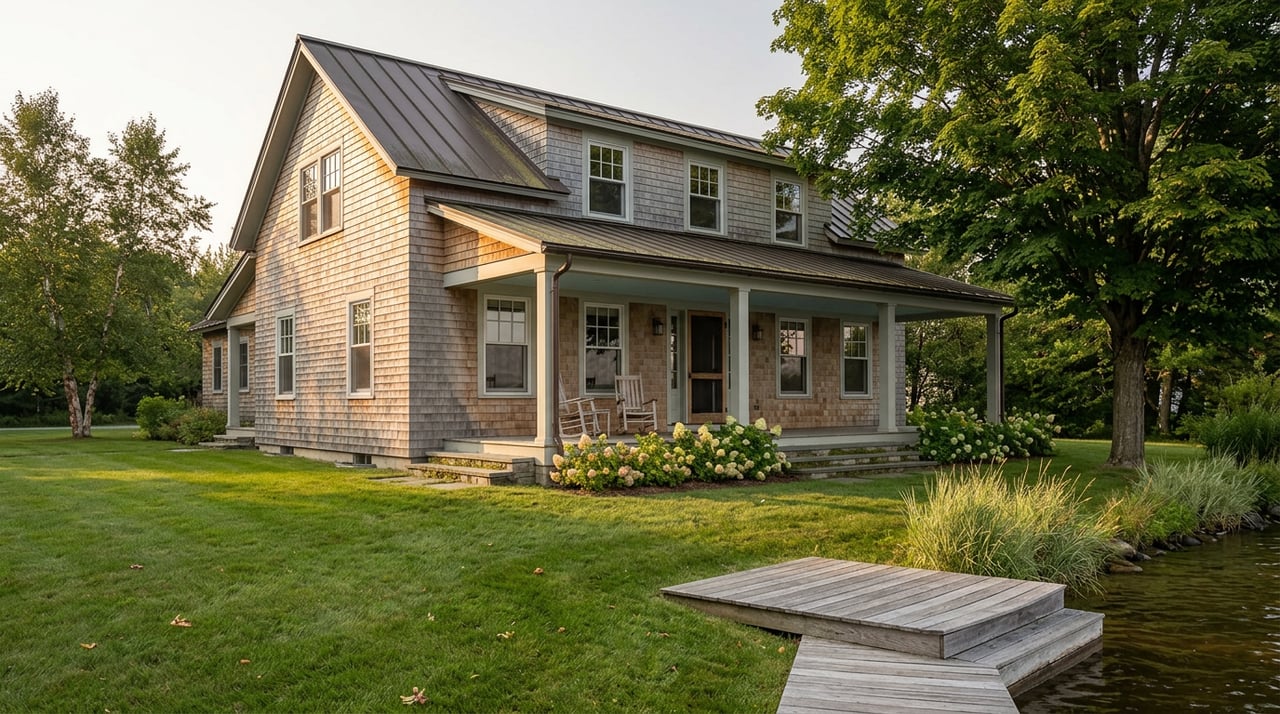
From shoreline regulations to dock permits, here is everything first-time lakeshore buyers need to know before making an offer on a Minnesota lake home.
Buying a lakeshore property in Minnesota is unlike any other real estate transaction. The water is the asset — and understanding what comes with it, what's restricted, and what's possible is the difference between a dream purchase and an expensive lesson.
Understanding Shoreline Classifications
Minnesota's Department of Natural Resources classifies lakes into tiers — General Development, Recreational Development, and Natural Environment — each with different setback requirements, impervious surface limits, and vegetation rules. Before you fall in love with a property, confirm which classification applies and what it means for future improvements.
Dock Rights and Permits
Not every lakeshore parcel comes with automatic dock rights. Some lakes require permits from the DNR or the local county. Others have association rules that govern dock size, placement, and the number of watercraft. Always verify dock rights in writing before closing.
Riparian Rights
As a lakeshore owner, you hold riparian rights — the legal right to use the water adjacent to your property. This includes swimming, boating, and fishing. However, these rights don't extend to the lakebed itself, which is typically owned by the state. Understanding the boundary between your land and the public water is essential.
Septic Systems on Lakeshore Properties
Many older lakeshore cabins were built before modern septic standards. A failing or non-compliant septic system can cost $20,000–$50,000 to replace and may require setback variances that aren't guaranteed. Always commission a full septic inspection and review the county's compliance records before making an offer.
Working With a Lakeshore Specialist
The nuances of lakeshore real estate — water quality reports, shoreline footage calculations, lake association dues, and seasonal access considerations — require an agent who works exclusively in this market. A generalist can close a transaction; a specialist protects your investment.