Lakeshore Renovations: What Requires a Permit (and What Doesn't)
Devon White November 17, 2025
Devon White November 17, 2025
Replacing a dock, adding a boathouse, or regrading the shoreline — each carries different regulatory requirements in Minnesota. Know before you build.
One of the most common surprises for new lakeshore owners is discovering that improvements they assumed were straightforward require permits, variances, or DNR approval. Here's a practical overview of what triggers regulatory review in Minnesota.
Replacing an existing dock in-kind — same size, same location — generally does not require a DNR permit. However, expanding a dock, adding a permanent structure, or installing a boat lift in certain lake classifications does. Always check with your county and the DNR's regional office before starting work.
Minnesota law protects natural shoreline vegetation within 50 feet of the ordinary high water mark. Removing trees, shrubs, or native plants in this zone requires a permit and typically a revegetation plan. The rules exist to protect water quality and fish habitat — and violations can result in significant fines and mandatory restoration.
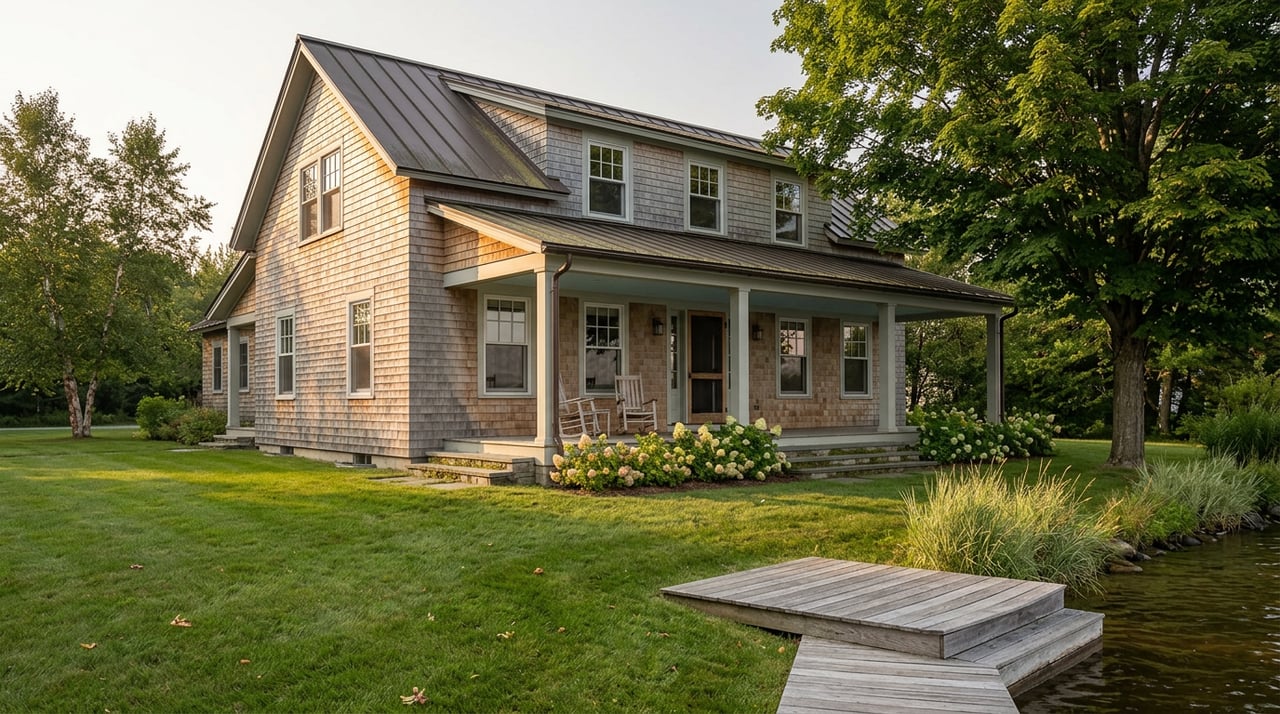
Boathouses are heavily regulated in Minnesota. Most lakes prohibit new boathouse construction entirely; others allow it with significant restrictions on size and placement. If you're purchasing a property with an existing boathouse, verify that it's legally non-conforming — not simply grandfathered without documentation.
Adding a patio, expanding a driveway, or regrading near the shoreline can trigger impervious surface calculations. Most lakeshore zoning limits impervious coverage to 25% of the lot within the shoreland district. Exceeding this limit requires a variance — which is not guaranteed.
Before any lakeshore improvement project, consult with your county zoning office and the DNR. The cost of a pre-project consultation is trivial compared to the cost of unpermitted work that must be removed or remediated.


They are not selling because the market is hot. They are selling when life circumstances require it!
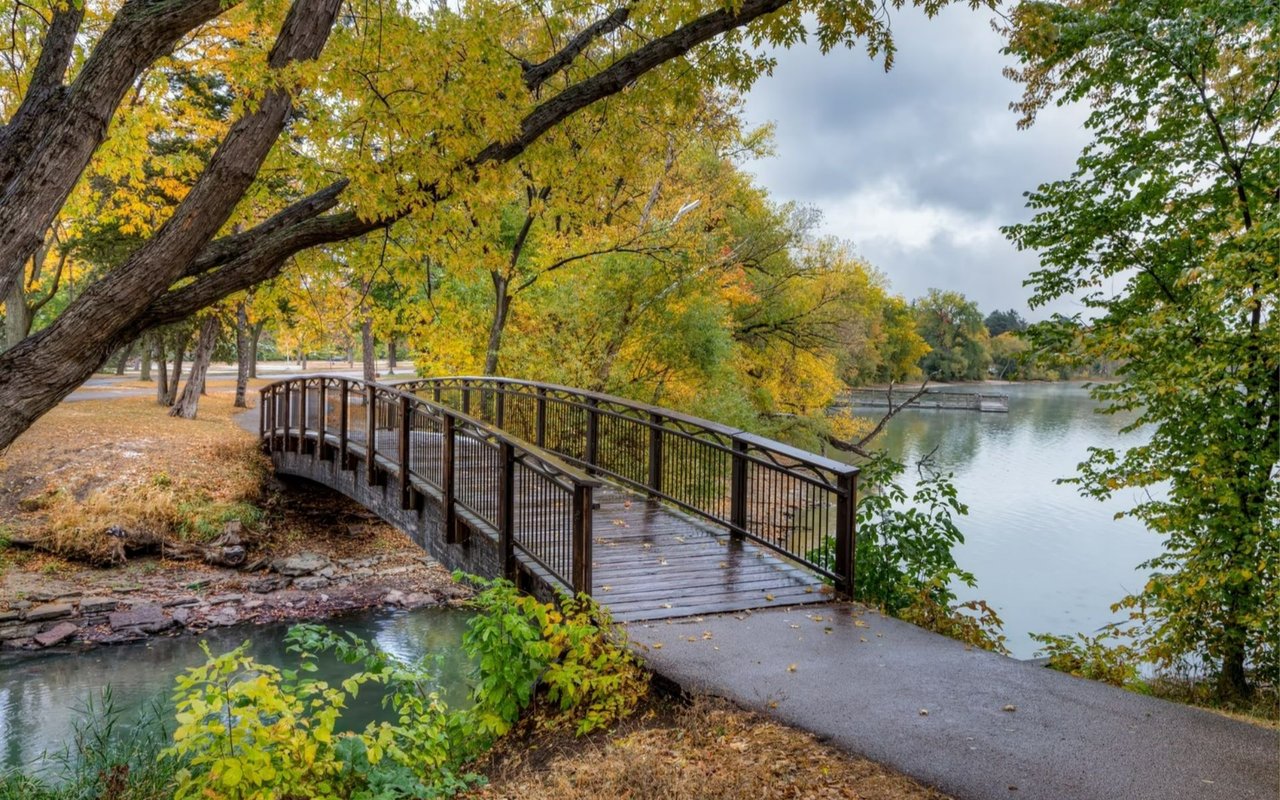
Sleep with the windows open and wake up to loons. Have a bonfire that goes until midnight.
Whether you're searching for your first lakeshore retreat or selling a legacy estate, Devon brings the network, the knowledge, and the discretion the transaction deserves. Every conversation is private. Every showing is personal.
Get In Touch With Our Team To Learn More
Address 700 N Washington Ave, Ste 101 Minneapolis, MN 55401